


Why Phantom Became My Go‑To Solana Wallet Extension (and what trips people up)
Okay, so check this out—wallets are weirdly personal. Really. You can spend weeks comparing feature lists and still pick the one that „feels right.” Wow! My gut said Phantom early on. But I wanted to be sure. Initially I thought all Solana wallets felt interchangeable, though actually they don’t. Some things are subtle; small UX choices end up saving you time and money.
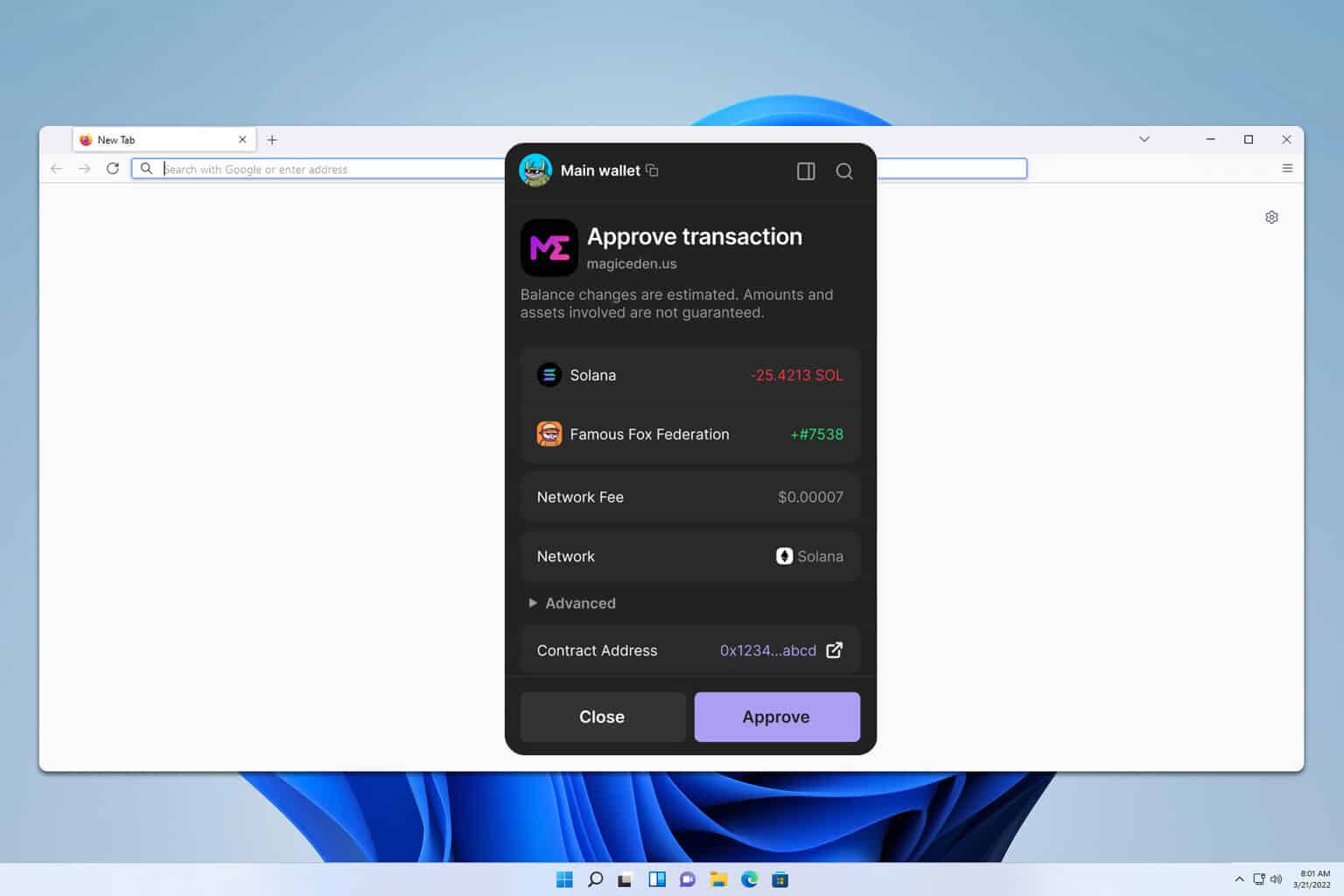
Phantom’s browser extension sits in that sweet spot between simplicity and power. Short setup. Smooth UI. And admittedly, the desktop flow works well if you do NFTs or DeFi trades on a browser. Seriously? Yes. The first time I connected to a DApp and the transaction prompt was clear, I breathed a little easier—no guesswork about which token I was signing. Something felt off about other wallets’ cluttered prompts. Phantom kept it clean.
I’ll be honest—it’s not perfect. There are moments where advanced users might want more granular gas controls or batch signing. But for 80–90% of day‑to‑day use on Solana, it hits the mark. My instinct said „fast, safe, minimal friction” and the product mostly delivered. I’m biased, but that matters to me. It’s what I look for when I’m juggling a few tabs during a crack-of-dawn coffee run (oh, and by the way… coffee makes debugging better).
Hands-on: installing and getting started with phantom
Installing is painless. Click the extension icon. Create a new wallet or restore one from your seed phrase. Short steps. The UX guides you through naming your wallet and setting a password for the extension. There’s a clear reminder to back up your 12‑word seed phrase. Do it. Seriously—write it down and stash it somewhere safe.
Here’s the thing. Many users gloss over the recovery phrase step because they’re eager to try a new NFT drop or swap. That rush is the exact moment mistakes happen. My advice? Pause. Copying the phrase into cloud notes is tempting, but it’s also risky. Use a hardware device or, if you must, a paper backup. I’m not 100% sure anyone reads that step carefully, but trust me—it matters.
Once set up, you can link Phantom to most Solana DApps. Connection prompts are explicit and show what permissions a site is asking for. That’s good because permission sprawl is a real problem. Initially I thought „grant once, done,” but then I realized sites change, and permissions should be managed. Phantom gives you a simple way to disconnect DApps—though I wish the activity log was a little richer. Little complaints. Little wins.
Performance is where Phantom shines on Chrome and Chromium-based browsers. Transactions confirm fast. Fees are low by Ethereum standards, but slippage and cluster congestion still bite now and then. On the rare occasion Phantom suggested a retry, re-submitting the transaction after a few seconds usually did the trick. Nothing flawless. Just pragmatic and usually reliable.
Security notes: the extension stores private keys encrypted by your password. That is standard. But an extension is still an extension—browser vulnerabilities exist. If you’re moving very large sums, pair Phantom with a hardware wallet. They support integration with Ledger, which is a huge plus for me. I’m biased toward hardware security, but there’s a real comfort in seeing your cold wallet handshake with the extension.
Also, be wary of fake extensions and plagiarized sites. Always verify the extension source. If you’re looking to grab Phantom, do not rush—double-check the publisher. A small detail, but it’s easy to overlook when you just want to mint a drop. The one link I’ll point you to—because it covers the official download flow and helps avoid imposters—is the phantom download page I trust: phantom.
Wallet management features are straightforward. You can create multiple accounts within the same extension, toggle between them, and view token balances. The swap UI is embedded and routes through Serum or other aggregators. It’s handy, though sometimes I use a DEX interface directly for advanced orders. There’s also a small NFT gallery built into the extension. It’s fine for quick checks. Not a museum, but good enough for casual collectors.
One part that bugs me: recovery from seed phrase import could be clearer when moving across devices. If you’re not attentive, duplicate accounts or lost tokens can happen (rare, but it happens). The team has improved docs over time, but somethin’ about the wording could be more explicit. Little friction points. Little annoyances. They’re fixable.
On the developer side—if you build DApps—Phantom’s API support is solid. The connect, signTransaction, and signAllTransactions flows match the expected patterns for Solana wallets. Initially I thought integrating would be tedious, but the docs and community examples smoothed that out. Actually, wait—let me rephrase that…you will run into edge cases with transaction simulation and partial signing in complex flows, but the community usually has workarounds.
Cost and fees. Transactions on Solana are cheap. Still, watch out for front-end added fees or swap platform spreads. Phantom itself doesn’t steal your funds; counterparty DApps might add markup. On one hand, Phantom keeps its UI transparent; on the other hand, the DeFi ecosystem has actors who aren’t always user-friendly. Be cautious with approval screens and amounts. Approve what you intend to approve, and nothing more.
Customer support and community help are surprisingly helpful. There’s a support portal and an active user community. Sometimes responses can be templated (ugh), and other times you get a real person walking through a tricky recovery issue. Expect variable response times. The community often fills gaps—tutorials, walkthrough videos, and troubleshooting threads. Not perfect. Human.
Common questions I hear
Is Phantom safe for storing large amounts?
Short answer: use a hardware wallet for big holdings. Phantom supports Ledger for that purpose. It’s fine for daily balances and active trading, but for long-term cold storage, move funds to a hardware device or multisig wallet. My instinct says protect the bulk of your assets offline.
Can I use Phantom on mobile?
There is a mobile app experience, but the extension shines in desktop browsers. Mobile is convenient for quick checks. For heavy DApp interactions, desktop feels more robust. Your mileage may vary though—mobile workarounds exist.
What if I lose my seed phrase?
If you lose it, you lose access. No customer support can recover your wallet without that phrase. Seriously, there’s no magical override. Back it up in multiple secure locations and consider not storing the whole phrase in a single place.
So where does that leave us? I’m more confident using Phantom than some other extensions, mostly because of the balance between usability and security. On one hand, it simplifies common flows for newcomers. On the other, it respects advanced workflows for power users. There are quirks. There are UX spots that could be better. But overall it does what a browser wallet should do—connect, sign, and get you back to building or collecting without drama.
My final bit of honest advice: don’t treat any browser extension like a vault. Use best practices. Backups. Hardware for big amounts. Double-check domains and permissions. And if you’re curious, give Phantom a spin—carefully. You’ll probably like it, unless you love tinkering with CLI wallets (then, fair—this might feel a bit polished for you). Somethin’ to think about. Hmm… now I’m off to check whether my NFT metadata rendered correctly. Little obsessions, always.
