


Why a Card-Based NFC Wallet Might Be the Best Cold-Storage Move You Make
Whoa! My first reaction was pure disbelief when I slipped a tiny card into my wallet and realized it held my crypto keys. Seriously? A credit-card form factor doing what an aluminum vault used to do? I had low expectations. Then I tried it for a week, and somethin’ about the ergonomics stuck with me. Initially I thought this would be gimmicky, but then realized the practicality — especially for people who hate extra gadgets.
Here’s the thing. Card wallets blend everyday convenience with cold-storage security in a way that a bulky device sitting on a desk doesn’t. They’re thin. They don’t need batteries, and many use NFC to talk to your phone, so setup is straightforward. On the other hand, they’re physical objects that can be lost, so you must design your backup strategy carefully, though actually that’s true of any hardware wallet. My instinct said „too easy” at first — but the trade-offs deserve a careful look.
Okay, so check this out—NFC card wallets operate by storing private keys in a secure element on the card, which communicates wirelessly when tapped near a compatible phone. Hmm… that summary sounds neat and tidy, but the devil is in the implementation details. On one hand you get near-instant usability that reduces risky copying, though on the other hand you expose your device to physical-loss risk. Initially I thought the risk profile was worse than standard hardware devices, but then I saw how recovery workflows can actually be simpler.
I’ll be honest: user experience matters to me as much as hardcore security. When something is annoying, I start making unsafe choices — using a hot wallet for convenience, for example. This part bugs me. A card that feels like a normal credit card lowers the bar for doing the right thing. My gut feeling was: if it’s easy, people will use it. And after testing, that instinct held up. Still, don’t get complacent; ease-of-use doesn’t replace disciplined backup procedures.
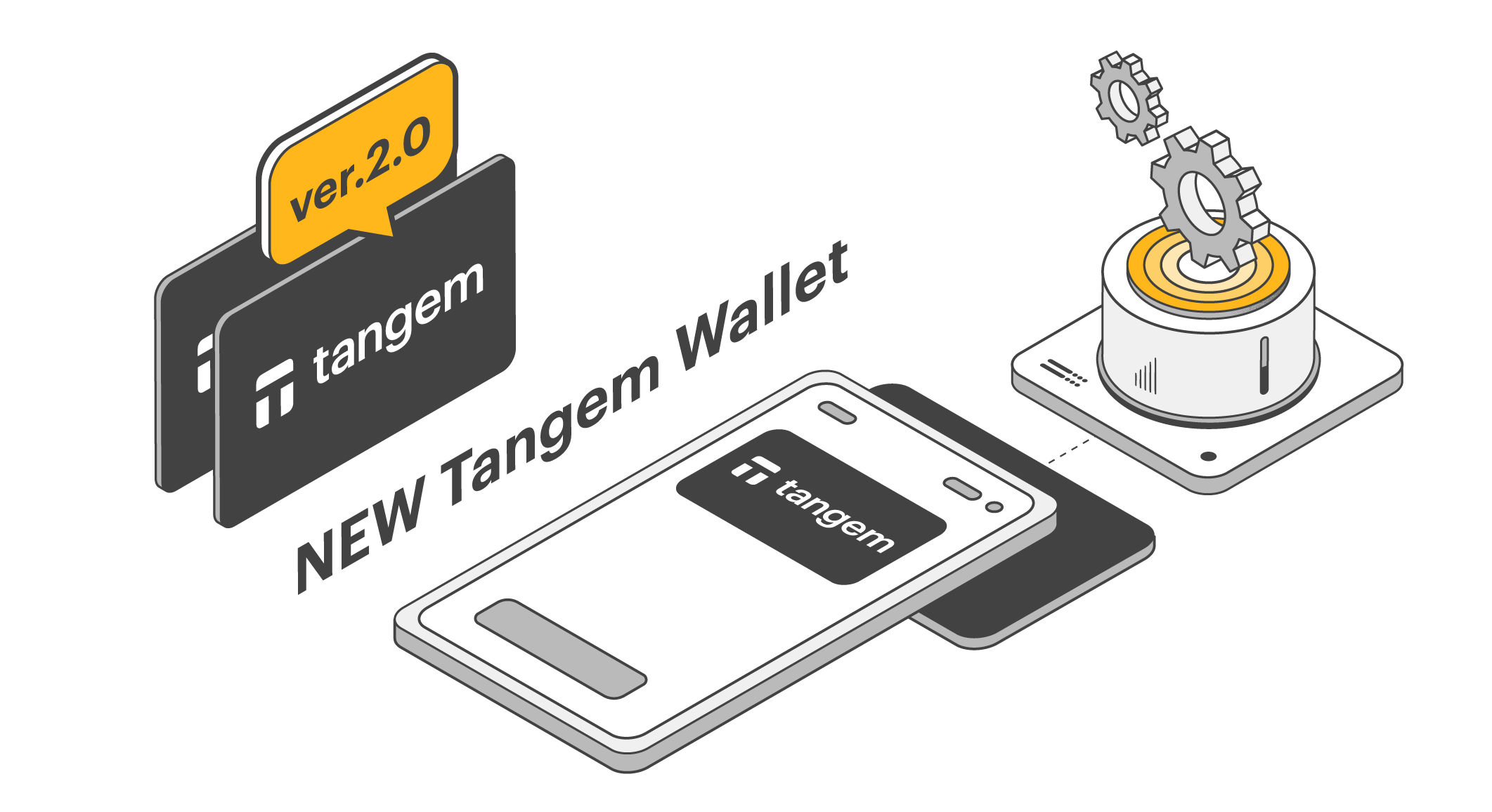
How Card NFC Wallets Work — Plain Talk
Short answer: they store keys in tamper-resistant hardware and reveal signatures via NFC without exposing the private key itself. Long answer: the secure element on the card performs signing operations internally, returning only the signed transaction to the phone, which then broadcasts it. That structure means your key never leaves the card, which is the cold-storage guarantee we care about. On a technical level there are variations — some cards support multiple keys, others are single-account, and firmware differences can affect what operations are permitted.
Now, not all cards are equal. Some have audited secure elements with long histories in smartcard industries, while others are newer entries with limited transparency. I prefer devices backed by public audits and a clear upgrade path. I’m biased, but auditability matters. Also, somethin’ about a good vendor community and documentation builds trust faster than flashy marketing. Really, trust is built over time — not by slick product shots.
Practical Security: What You Should Do
First, treat the card like cash. If it can be stolen, you’ll need a recovery plan. Second, create and secure a backup — whether it’s a seed phrase, a metal backup, or an insurance-style split backup. Third, test your recovery process BEFORE you put large sums on the card. Sounds obvious, but people skip it all the time. My experience: testing recovery once saved me from a panic when I misplaced a device later. On one hand testing is tedious, though actually it pays dividends.
Here’s a quick workflow I follow: provision the card offline if possible, write down the seed on a metal plate or certified paper backup, test a recovery on a separate device, and finally keep the card in a personal but discreet location. Oh, and consider a redundancy plan: two independent backups in different safe places reduce single-point failure risk. That redundancy is very very important for long-term holdings.
One more pragmatic tip — label your backups neutrally. Don’t write „crypto seed” in big letters and stash it in a shoebox. Use neutral wording that only you will understand. (Yes, people do this — and then regret it.)
Usability: What Works and What Doesn’t
Tap-to-sign is delightfully low-friction. Seriously. For day-to-day moves or occasional transactions this is a huge win. NFC removes cable clutter and eliminates dependence on a particular dongle. But there are trade-offs: some phones have inconsistent NFC behavior, and certain apps or firmware combos can be fiddly. My phone (mid-range Android) behaved flawlessly, while an older iPhone required a couple more taps to get the handshake going.
Compatibility matters. Check supported apps and chains before buying. Some cards prioritize major chains like Bitcoin and Ethereum, while others expand into dozens of tokens. If you plan to hold niche assets, confirm compatibility first. Also consider multisig support if that’s part of your security model — not all card wallets support multisig roles cleanly. I ran into that limitation when trying to add a card to a multi-sig wallet, and it was annoying enough to change my setup.
Cold Storage, But Make It Everyday-Friendly
Cold storage doesn’t have to be a bunker. You can have strong, offline key security and still manage transactions without hauling out a safe. The sweet spot for card wallets is that they let you do both. They keep your private key offline in a secure element while offering convenient signing via NFC for the rare time you need to move funds. My approach: keep most holdings on the card and smaller, active funds in software. That split reduces friction and preserves security.
On top of that, cards are discreet — they look like loyalty cards or credit cards, which reduces theft risk from casual observers. Of course, anyone determined could identify them, but casual curiosity is often the bigger threat in everyday life. I’m not 100% sure about everything — threat models vary — but practical obscurity helps.
When a Card Wallet Isn’t the Right Fit
If you need frequent, heavy trading, card-based cold storage may feel cumbersome compared to software wallets or custodial setups that prioritize speed. Also, if your threat model includes sophisticated physical attacks or targeted tampering, you’ll want a hardware wallet with proven tamper-evidence and the ability to be air-gapped in different ways. On the flip side, for long-term holders and those who value convenience with strong security, card wallets are often perfect.
Some people prefer open-source firmware and hardware for transparency. If that matters to you, verify the vendor’s openness policy. Vendor lock-in can be a real pain. Personally, I favor solutions with clear export paths for keys and documented recovery procedures so you’re not relying on a single company forever.
My Hands-On Recommendation
I tested a few card wallets and kept coming back to one type that balanced usability, security, and documentation. If you want a place to start, the tangem card model captures many of the benefits described above — simple NFC taps, secure element design, and a consumer-friendly footprint. I’m biased toward things that people will actually use, and tangem-style cards fit that bill.
That said, evaluate your own needs: chains, multisig, backups, and phone compatibility. Don’t buy blind. Test recovery, and if you’re storing life-changing sums, consult a security professional. Okay, this might sound cautious — but caution is earned, not innate.
FAQ
Is a card wallet as secure as a traditional hardware wallet?
Short answer: yes, if the card uses a certified secure element and you follow sound backup practices. Longer answer: the security model is conceptually similar because the private key never leaves secure hardware. Differences arise in physical form factor, ease of hiding, and ecosystem support. For many users, card wallets are comparably secure and far more convenient.
What happens if I lose the card?
Then your recovery plan is everything. If you’ve backed up the seed or used a split backup, you can recover. If you didn’t, then losing the card can mean losing access. So: back up, test recovery, and store backups separately. Sounds repetitive because it matters — very very important.
Can I use a card wallet for multisig or advanced setups?
Some cards support multisig roles, others do not. Check vendor specs. For complex setups, you might mix cards with other hardware wallets or software wallets. On one hand mixing increases robustness, though actually it increases complexity and human error risk too.
Alright, I’m circling back now. I started curious and skeptical, then got impressed by how a thin plastic card could simplify secure custody. The emotional arc for me went from „huh?” to „okay, this could work” to cautious optimism. I’m still a stickler for backups and audits, and that hasn’t changed. If you’re someone who loses tiny gadgets or hates cable clutter, consider trying a card wallet. Try it small. Test recovery. Then scale up if it fits your life. Somethin’ tells me you’ll like it, though you’ll still want to sleep on the backup strategy.
